For athletes · Grounded in science
For ambitious age-groupers and professionals in triathlon and cycling. Whether you race for a slot or for a living, you invest a whole season and want to see it on race day.
Sound familiar?
Hundreds of hours a year, a lot of money and even more commitment. Then, halfway through the race, your stomach turns and your legs go flat. The numbers in training were great, and on the day they don’t show up.
Age-grouper or pro: the margin between a good day and a great one sits in what nobody sees.
The fourth discipline
Sleep that recharges you, a stomach that holds up, recovery between hard days, a calm head on the start line. That’s the fourth discipline, and it decides how much of your training you take into the race.
Athletes who complete more than 80 % of their planned training weeks are seven times more likely to reach their season goal. The fourth discipline decides how many of those weeks you actually get.
Raysmith & Drew 2016
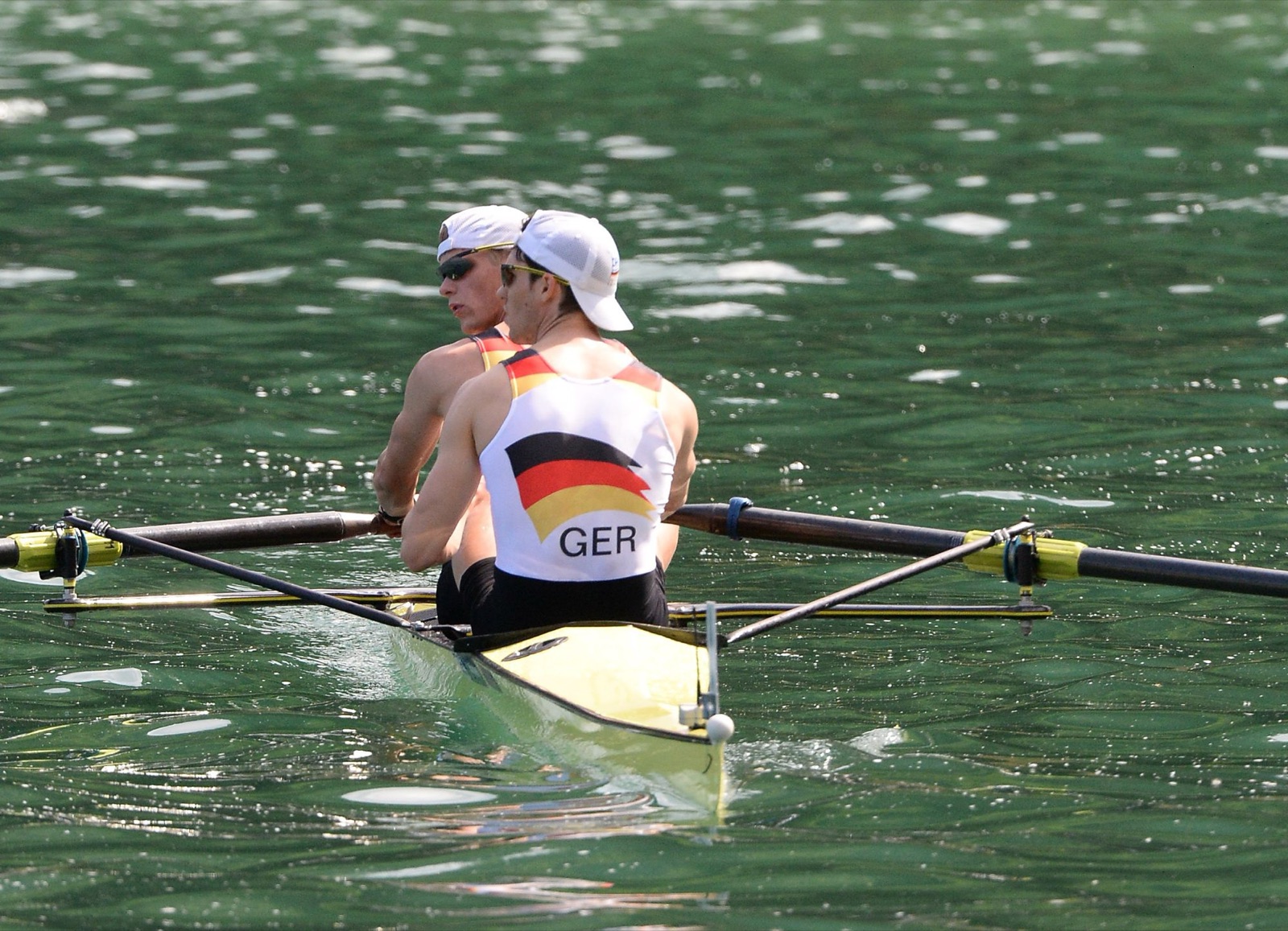
From age-grouper to pro
Whether you fit 12 hours of training around a full working week or train 25 hours as your job, the question is the same: how much of your training arrives on race day? The stakes differ. Your system works the same way.
Kona, 70.3 Worlds, a qualifier. The fitness is there, the day has to deliver.
Strong for 100 km, then the second half falls apart. Same story, every season.
Gran fondo or sportive ahead, and a new niggle every few weeks.
You have a coach, a plan and a support team. We cover the part between the disciplines that nobody on it looks after.
The business case
Age-grouper with a full-time job or professional: you put hundreds of hours into one day. Here’s what’s at stake, and what it takes.
You fit 10 to 15 hours of training around a full working week. You can’t add more hours, so the ones you have need to count. Your job and your race draw on the same system, and it pays for both from the same account.
Your body is your business. Results decide contracts, sponsors and prize money, and on race day a few per cent decide between the podium and the pack. You already have the coach and the plan. We look after the fourth discipline.
The figures come from different studies and can’t be added up. Everyone responds differently, and we can’t guarantee results.
Different stakes. The same system. The same first step.
Grounded in science
What decides how much of your training arrives on race day is well researched. Three examples:
Of all the sleep strategies tested in athletes, sleeping longer at night or adding a nap improved physical and mental performance most clearly.
Cunha et al., 2023, Sports Medicine – Open, systematic review
At the start of ultra races, 22 % of urine samples contained anti-inflammatory painkillers. Far fewer runners said they had taken any.
Robach et al., 2024, Medicine & Science in Sports & Exercise
Too little energy for your training affects hormones, bones, immunity, mood and performance, in women and men alike. In women, a missing cycle is an early warning sign.
Mountjoy et al., 2023, IOC consensus, British Journal of Sports Medicine
Want the full list? Ask us, and we’ll send you the studies.
What we work towards
Everyone responds differently. We can’t guarantee results.
Whether you train 10 hours a week or 30, the fourth discipline takes under 15 minutes a day, built around your training plan. No extra sessions, no new block in your calendar.
Kona 27
Together with coach Lubos Bilek we take five athletes to the Ironman World Championship on 9 October 2027. Training from Lubos, the fourth discipline from us.
See Kona 27Your first step
Before anyone works on anything, you need to know where you lose performance. That's where everyone starts with us, pros included.
Race day, the office, the night before. No lab, no wearable, no right or wrong.
Your result goes straight to your inbox, so you can come back to it any time.
Where your system loses performance first, and what it means for you.
Get in touch
Write to Jonas directly. He answers personally.
